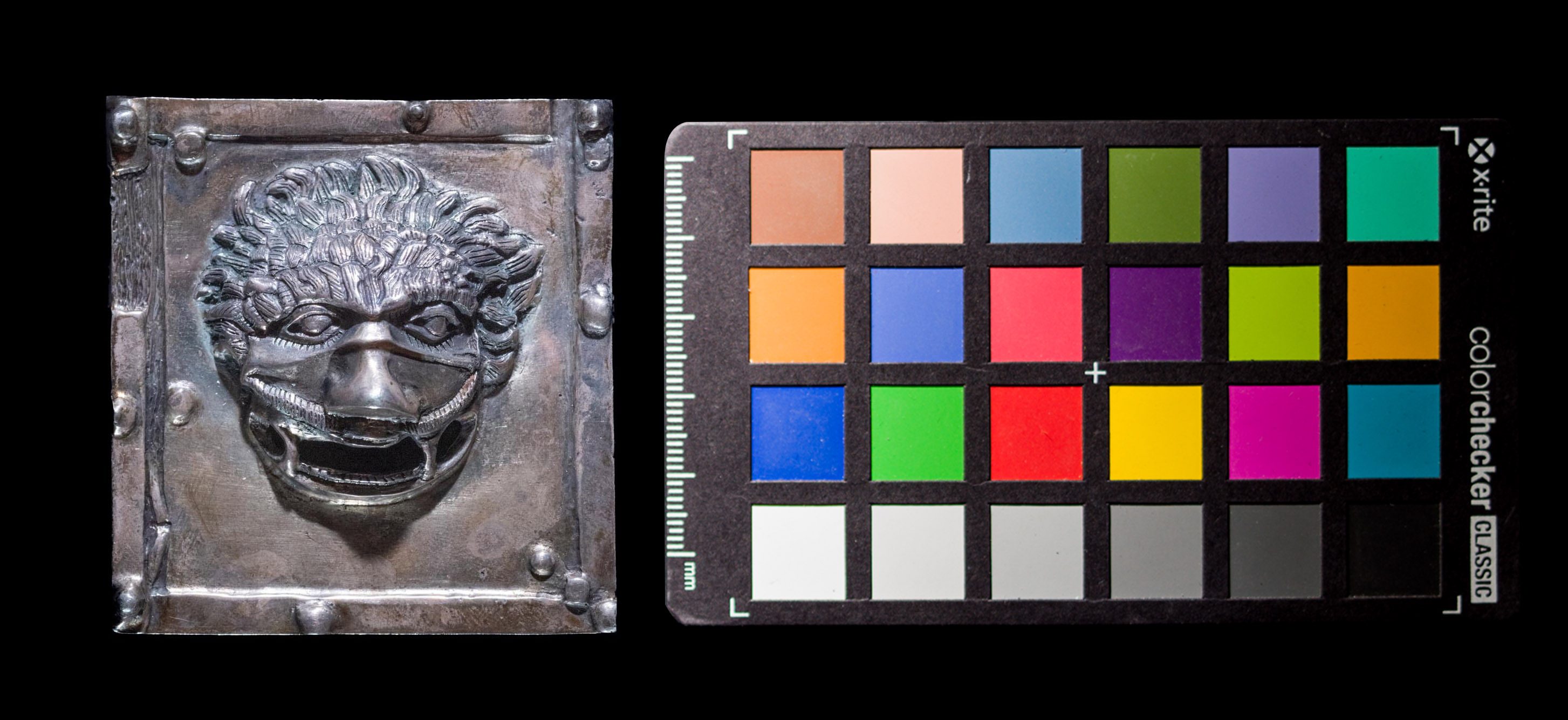
Comprehensive photographic documentation of museum environments supports institutional archiving, architectural records, exhibition planning, and public communication. Imaging workflows are designed to accurately capture spatial context, architectural details, and display conditions while maintaining color consistency and geometric accuracy.

Architectural documentation of museum buildings, façades, entrances, and surrounding environments for institutional records, publications, and heritage documentation.
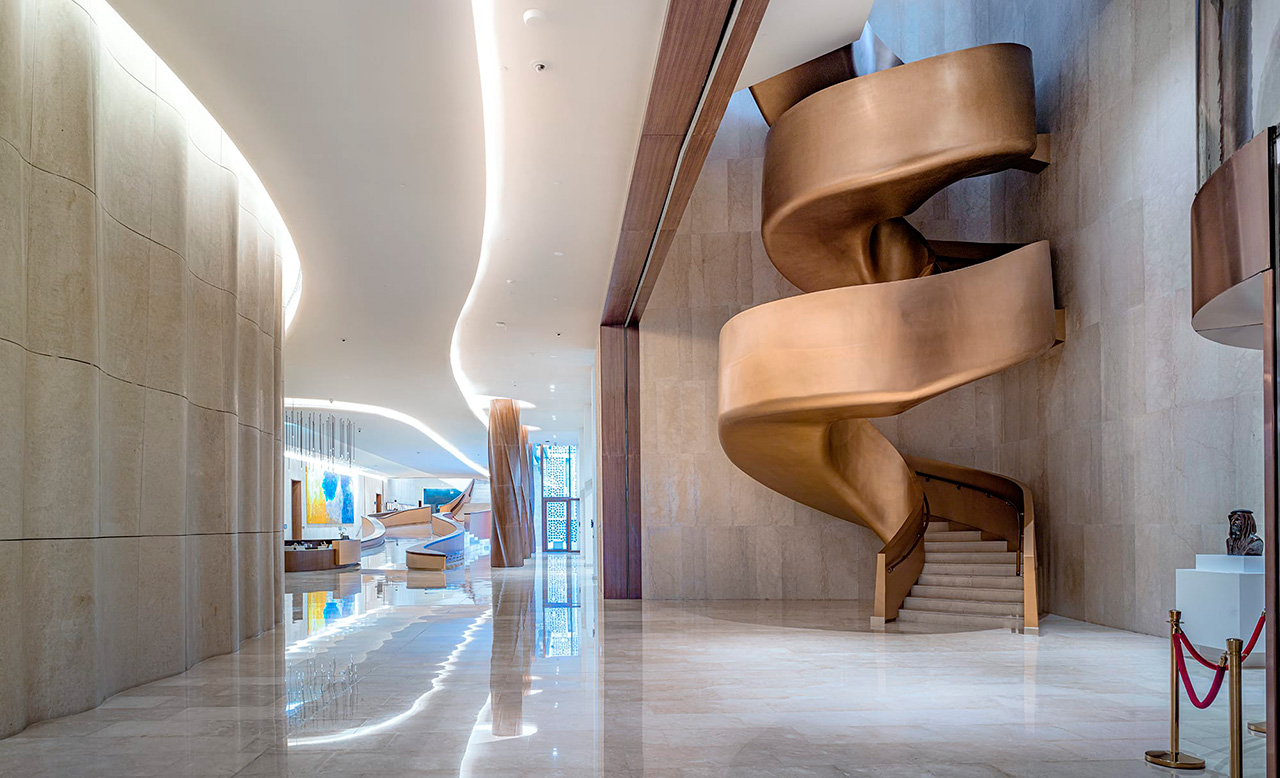
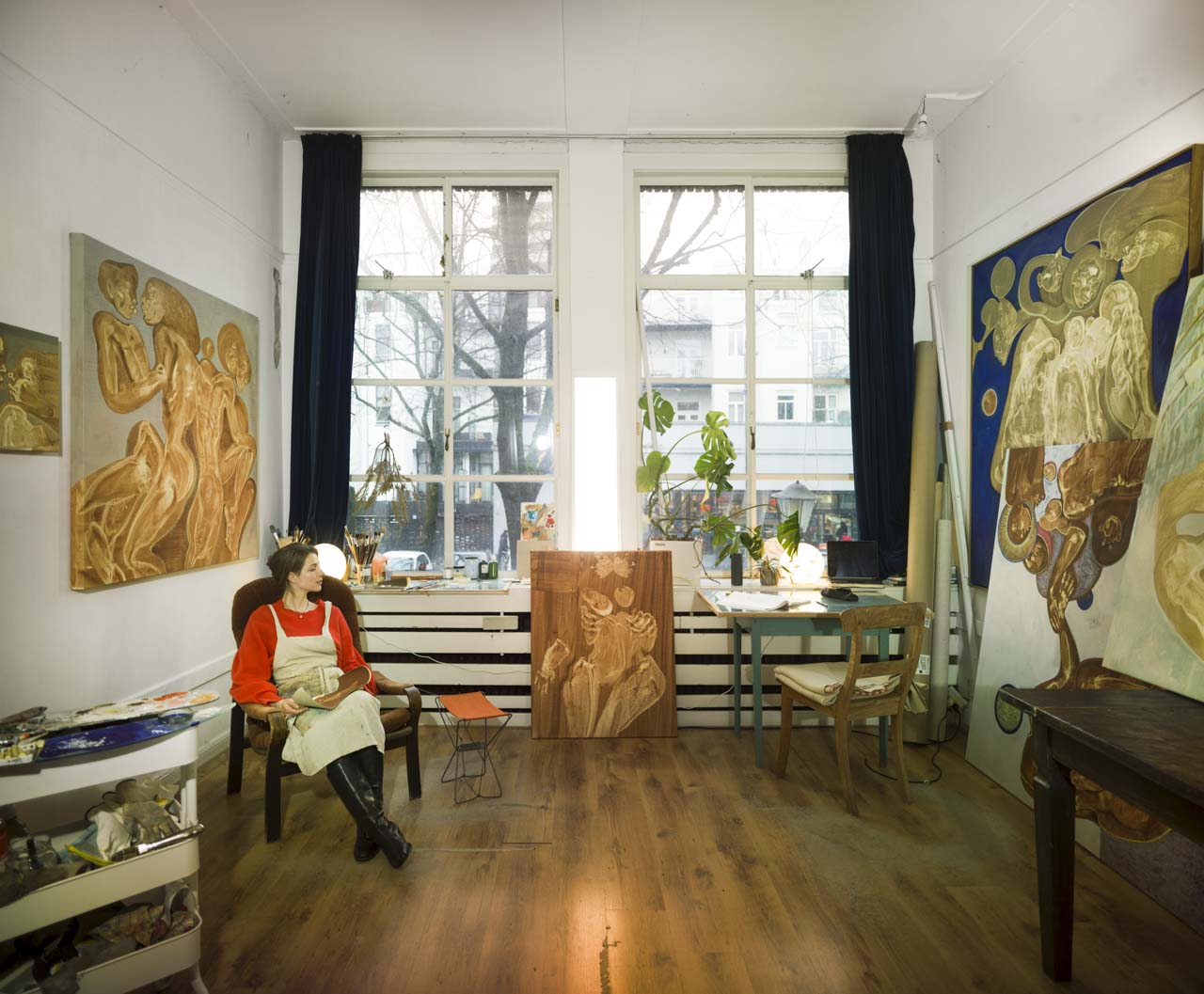
Photographic documentation of museum interiors including galleries, exhibition spaces, storage areas, and conservation labs, capturing spatial layout, display environments, and institutional context.
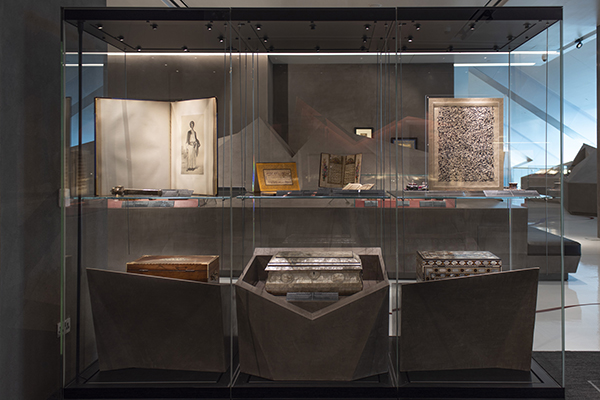
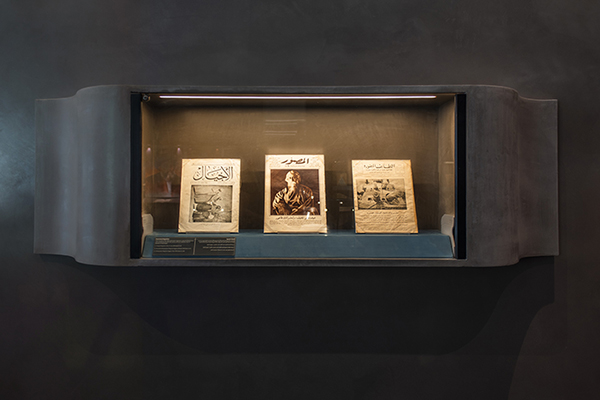
Documentation of exhibition windows and vitrines, recording display design, lighting, and visual presentation as part of the museum’s public interface.
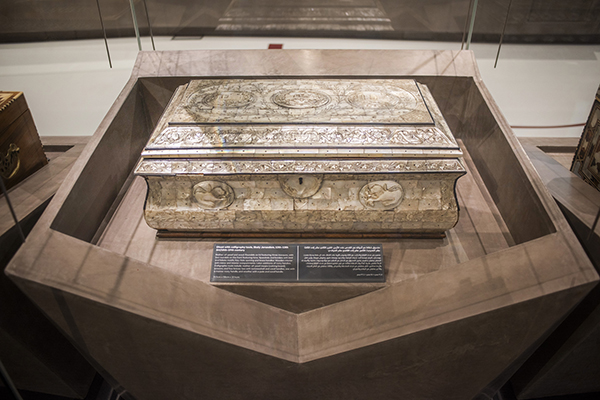
Documentation of exhibition windows and vitrines, recording display design, lighting, and visual presentation as part of the museum’s public interface.


Large-scale documentation built on standardized setups and efficient workflows

Advanced computational techniques that reveal the invisible

Documentation of museum interiors, spatial design, and window displays
George Shahda works as a technical digitization partner, not a short term vendor.
Projects are structured to deliver consistent, preservation ready digital assets that align with institutional strategies and long term collection goals.
Museums benefit from
Structured, phased digitization programs
Long term technical continuity and consistency
Guidance for future digitization and system integration
Alignment with institutional digital preservation strategies


Why Work With Me
I operate as a digitization specialist, not a photography vendorMy workflows are designed for collections, not individual imagesI deliver digital assets suitable for long-term institutional useI prioritize accuracy, transparency, and auditability






Photographer & Art Digitization Specialist
Documenting and photographing art, antiquities, collectibles, and contemporary designs.

Services are provided by Quest Imaging, a registered company in Amsterdam since 2019, specializing in high-end photography and digitization.
© Copyright 2025 George Shahda
All images and media on this website are protected by international copyright laws. Any unauthorized use, reproduction, or distribution is strictly prohibited without prior written permission.

.svg)